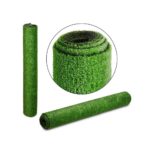
Artificial grass is designed to look and feel just like natural turf. The type of material used in the construction of the greens has a lot to do with how it looks, feel, acts and how durable the artificial grass is.
- Softer materials feel more natural and act like natural grass, but will not hold up over the course of its lifetime use.
- Certain types of activity require a stiff, more resilient surface. Besides that, for outdoor artificial grass, it should be installed together with proper drainage.
- Sports and recreation areas often demand a courser pile simply because the high volume of foot traffic would cause a thinner pile grass to break down very quickly leading to tears and other forms of damage.
[divider height=”10″ line=”1″]
[call_to_action text=”Call +6012-4303866, for Free Consultation Quotes” btn_title=”Call Now” btn_link=”Tel:+60124303866″]
[divider height=”10″ line=”1″]
The different types of artificial grass offer a wide selection to choose from in different price ranges.
1. Nylon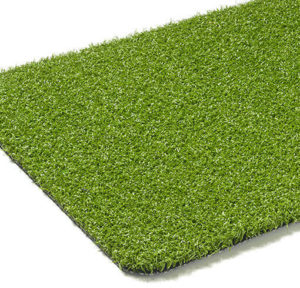 Nylon has the stiffest pile and is one of the strongest artificial grasses amongst the different types in the market. It will keep its original shape regardless of how much foot traffic it endures. It can also withstand extremely high temperatures without melting or losing stability.
Nylon forms of synthetic turf are extremely expensive. It is often used for putting or as a secondary thatch. It is often able to improve the strength and stability for these types of more expensive forms of turf. Because of its courser cut and texture, it may look like natural grass but it will not be as soft as natural grass. Neither will it react in the same way as less expensive materials.
2. Polyethylene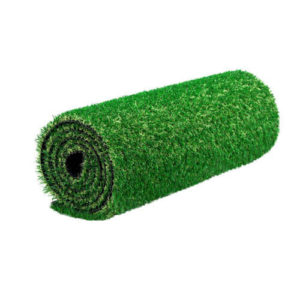
Polyethylene synthetic turf is extremely life-like. This type of artificial turf is the first choice for many home owners when it comes to converting their natural grass lawn to synthetic. It offers both the vibrant green look as well as its softer texture of natural grass. It offers an ideal surface for sports, including baseball, soccer, and football fields. High-end types of polyethylene turf are extremely resilient. When it is combined with a secondary thatch made of nylon, the polyethylene synthetic turf will hold up extremely well, even during its most rigorous sports activities. It requires little to no maintenance, other than an occasional brushing or raking to make sure the blades and infill retain their bounce and cushion.
3. Polypropylene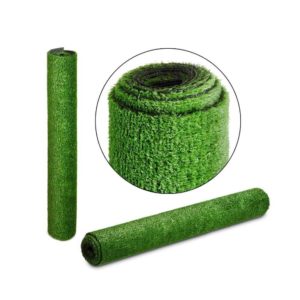
Polypropylene is the least expensive type of artificial turf as well as the least durable. Although the price may be appealing if a homeowner is out looking for the cheapest artificial grass option, it may not be suitable if resiliency and durability are needed. Polypropylene grass will wear out much quicker and with far less activity than sturdier forms of turf because of its finer texture.
Besides that, it also has a lower melting point, which means that if it is installed in areas which has high heat, prolonged exposure can lead to the blades look unnatural and losing its shape. Many golfers like to use it for their home putting greens as it provides a soft roll. Since the mesh backing and blades are made of more pliable and a lighter weight material, this type of turf is ideal for indoor use as carpet or decorative material.